
Get Free Roof Window and Skylight Quotes
Roof-Window-Repairs.co.uk helps homeowners across the UK find local specialists for roof window repairs, skylight replacement and new roof window installations. Complete one online enquiry and you could receive quotes from up to four independent contractors who cover your area.
Our service can be used for anything from a leaking roof window or broken handle to a complete replacement or a new skylight installation. You can explain the problem once, hear from suitable specialists and compare their proposed work, prices and availability before deciding what to do.
Requesting quotes is free for homeowners, landlords and property managers. There is no subscription, and you are under no obligation to accept any quotation you receive.
Roof windows and skylights are exposed to rain, wind, frost, strong sunlight and regular changes in temperature. Over time, seals can perish, glazing can fail, flashing can become damaged and opening mechanisms can wear out. In other cases, the window itself may be in good condition, but poor installation or damage to the surrounding roof can allow water to enter.
Because several different faults can cause similar symptoms, it is important to arrange a proper inspection. A roof window specialist can assess the window, surrounding roof covering, flashing, underlay and internal finishes before recommending a suitable repair or replacement.
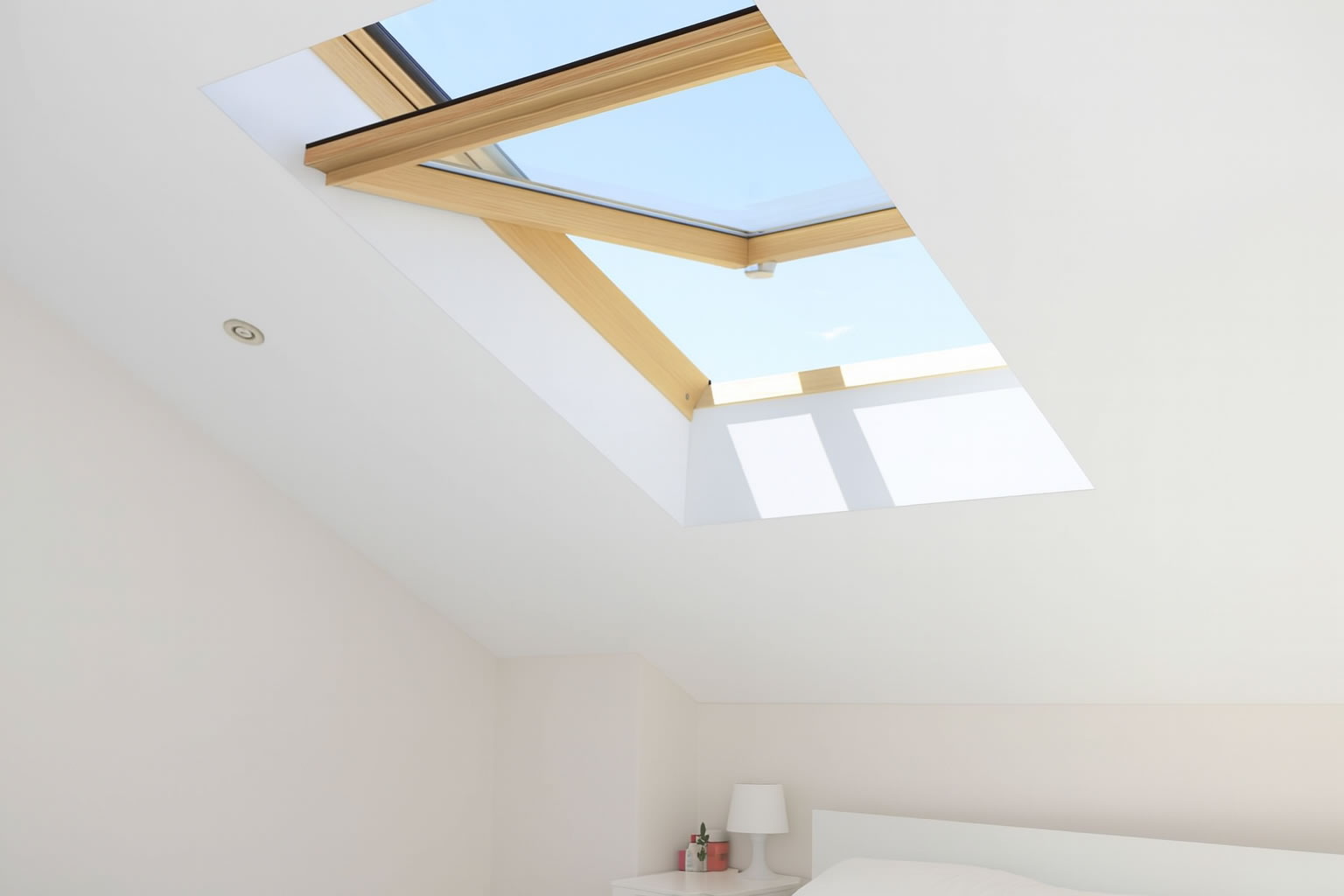
How to Request Your Free Roof Window Quotes
Requesting quotations through Roof-Window-Repairs.co.uk only takes a few minutes. Providing clear information about the window, the property and the problem will help us identify contractors who may be suitable for the work.
Step 1: Tell Us What Work You Need
Complete the online enquiry form and describe the roof window or skylight problem. You can also use the form if you are planning a replacement or would like a new window installed.
Useful information may include the location of the property, the number of windows involved, the type of roof and when you would like the work completed. You can also mention whether the window is fitted into a pitched roof, flat roof, loft conversion, extension, conservatory or another part of the property.
Where possible, include the make, model, size or age of the window. Most roof windows have an identification plate or product label somewhere on the opening sash or frame. A photograph of this label can help a contractor identify suitable glazing, seals, handles, hinges, flashing kits and other replacement parts.
You should also describe when the problem occurs. For example, a window may only leak during wind-driven rain, produce condensation in cold weather or become difficult to close after being left open for a long time.
Step 2: Hear from Local Specialists
Once your enquiry has been submitted, we will try to match it with up to four independent roof window, skylight or roofing specialists who cover your postcode area.
Contractors may contact you by telephone, email or text message. They may ask for photographs of the window, the surrounding roof and any internal water damage. They may also ask you to locate the product label so they can identify the manufacturer and model.
Some straightforward jobs can be discussed using photographs. However, leaks, structural problems and complete replacements will normally require a visit before an accurate quotation can be prepared.
Step 3: Compare Your Quotes
Compare more than the final price. Check what each contractor believes has caused the problem and what work they propose carrying out.
A written quotation should explain whether the price includes labour, replacement parts, glazing, flashing, insulation, internal finishing, scaffolding, waste removal and VAT where applicable.
You should also check the proposed timescale, payment terms and any guarantees offered. Ask whether the contractor has public liability insurance and experience with the type or brand of window installed at your property.
You remain free to accept one quotation, choose another company or decide not to proceed.
Roof Window Problems You Can Request Quotes For
Roof windows can develop many different faults. Some problems affect the window itself, while others involve the flashing, roof covering, insulation or internal lining around it.
The following list covers many of the most common roof window and skylight problems found in UK properties. Contractors and services available will vary by location.
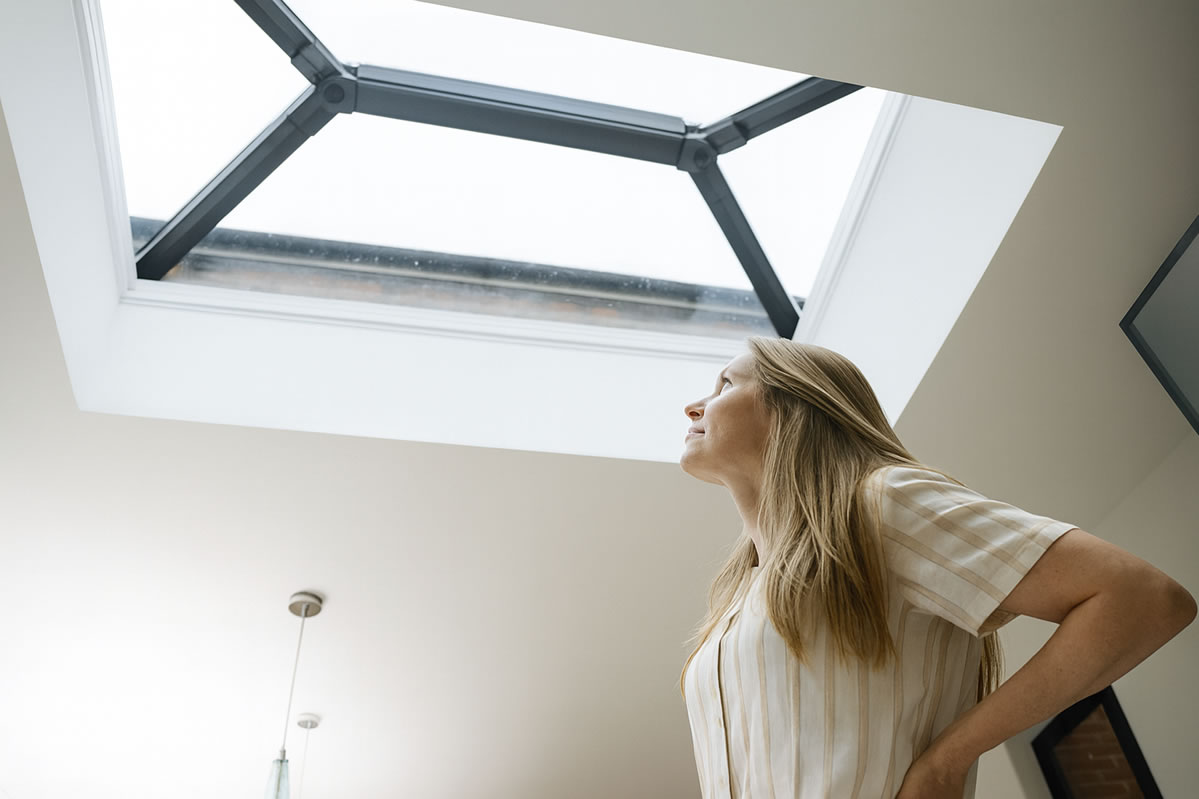
Leaking Roof Windows
Water appearing around a roof window is one of the most common reasons homeowners request a quotation. The leak may come from the window, although it could also be entering through the roof above and travelling along the underlay or timber before becoming visible indoors.
Common causes include damaged flashing, poorly fitted tiles, cracked slates, blocked drainage channels, failed seals, damaged underfelt or an unsuitable installation kit.
A specialist should inspect the full area rather than simply applying sealant around the frame. Surface sealant may hide the symptoms briefly without correcting the original fault.
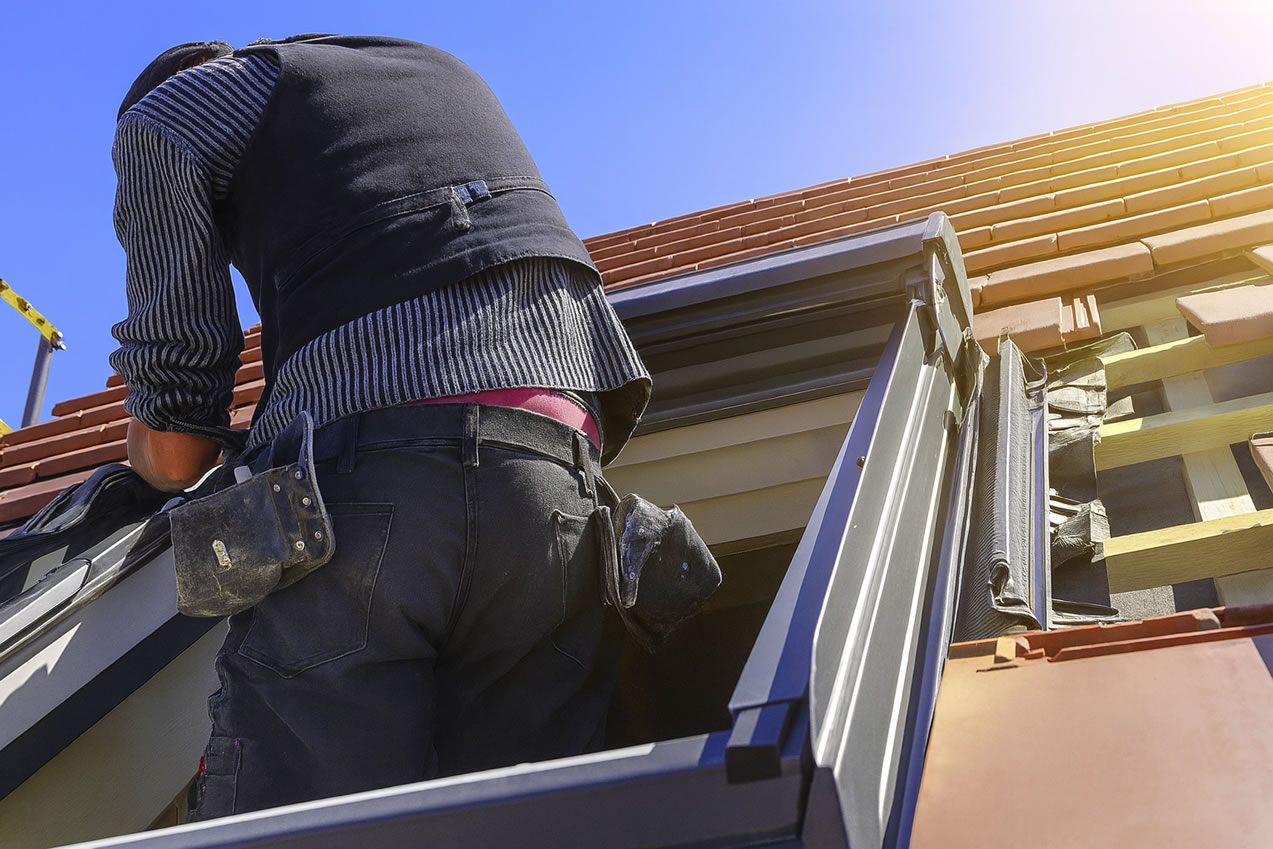
Leaks During Heavy or Wind-Driven Rain
Some roof windows only leak when rain is driven across the roof by strong winds. This may point to lifted flashing, gaps around the roof covering or an installation that does not provide enough weather protection for the roof pitch and exposure.
The contractor may need to inspect the side flashing, head flashing, apron, tiles, slates and underlay around the window.
Damaged or Incorrect Flashing
The flashing system forms the weatherproof connection between the roof window and the surrounding roof covering. Different kits are designed for tiles, slates, plain tiles, profiled materials and different installation heights.
Leaks can occur when the wrong flashing has been fitted, components are missing, sections overlap incorrectly or the flashing has become bent or damaged.
Repair work may involve lifting the nearby roof covering, replacing part or all of the flashing kit and reinstating the roof correctly.
Blocked Drainage Channels
Leaves, moss, dirt and roofing debris can collect around the window and block drainage channels. Rainwater may then build up behind the flashing instead of flowing safely away.
A specialist can clear the channels and inspect the surrounding components for water damage, corrosion or deterioration.
Cracked or Broken Roof Window Glass
Roof window glass may crack following an impact, storm damage, thermal stress or movement within the frame. Broken glass should be dealt with promptly because it may allow rainwater into the property and create a safety risk.
In many cases, a replacement glazing unit can be fitted without replacing the complete window. However, the frame must still be in a suitable condition.
Misted or Cloudy Double Glazing
Condensation or mist between the panes usually means the sealed glazing unit has failed. Once moisture enters the gap, the glass may appear cloudy and its insulating performance may reduce.
A specialist can identify the correct glazing unit and advise whether replacing the glass or the complete window offers better value.
Condensation on the Inside of the Glass
Condensation on the room-facing surface does not always mean the window is faulty. It can be caused by high indoor humidity, limited ventilation or cold surfaces around the window.
Bathrooms, kitchens, bedrooms and recently plastered rooms are particularly likely to experience condensation. A contractor can check whether the window is ventilating correctly and whether insulation around the opening is adequate.
Condensation Around the Frame or Reveal
Moisture around the plasterboard lining or timber reveal can sometimes be caused by poor insulation. Cold gaps around the window may create areas where warm indoor air condenses.
The repair may require removing part of the internal lining, improving insulation and installing a suitable vapour control or air-tightness detail.
Cold Draughts Around a Roof Window
Draughts can come from worn seals, damaged gaskets, a sash that no longer closes evenly or gaps between the window and the roof opening.
A specialist may replace the seals, adjust the hinges and closing mechanism or improve the insulation around the frame.
Heat Loss Around the Window
Older roof windows may contain basic glazing and limited insulation compared with newer models. Heat can also escape through gaps around the frame if the installation was not insulated correctly.
Depending on the age and condition of the unit, the contractor may recommend new seals, replacement glazing, additional insulation or full window replacement.
Window Will Not Open
A roof window may become stuck because of seized hinges, a damaged handle, a faulty locking mechanism, timber swelling or paint sticking the sash to the frame.
The specialist will normally inspect the operating parts before deciding whether the window can be adjusted or needs replacement components.
Window Will Not Close Properly
A sash that does not close evenly can leave gaps and allow draughts or rainwater into the property. The problem may be caused by loose hinges, a distorted frame, debris, worn locking parts or an obstruction between the frame and sash.
Continuing to force the window closed may damage the handle or locking bar, so it is sensible to arrange an inspection.
Window Will Not Stay Open
Some windows fall back towards the closed position or do not remain at the expected opening angle. This may relate to the design of the window, the roof pitch, spring-assisted parts, gas struts or worn hinges.
A contractor can check whether the window is operating normally for its model or whether a component needs adjusting or replacing.
Stiff or Seized Hinges
Hinges can become stiff due to dirt, corrosion, lack of maintenance or general wear. A window may become difficult to rotate or may no longer reach its cleaning position.
The solution may involve cleaning, lubrication, adjustment or fitting new hinges.
Broken Handles and Control Bars
Handles and top control bars can crack, become loose or stop engaging with the lock. Matching replacement parts may be available once the window model and production code have been identified.
Broken Locks or Locking Mechanisms
A damaged lock can prevent the roof window from closing securely. Locking bars and internal mechanisms may wear out, bend or become disconnected from the handle.
Depending on the model, the contractor may replace the faulty component without changing the complete window.
Damaged Ventilation Flaps
Many roof windows include a ventilation flap or background ventilator. These can become blocked, broken or difficult to operate.
A repair may involve cleaning the ventilation channel, replacing a filter or fitting new operating parts.
Perished Rubber Seals and Gaskets
Rubber seals can become brittle, flattened or split as they age. This may reduce weather resistance and allow cold air or moisture around the sash.
Correct replacement seals should be used for the make and model because general-purpose strips may prevent the window from closing correctly.
Rotten Timber Frames
Timber roof windows can suffer from peeling finishes, staining and rot if condensation or leaks have been left untreated. Bathrooms and other humid rooms may be more likely to experience timber deterioration.
Small areas may be repairable, but extensive rot around the sash or frame often makes complete replacement more practical.
Peeling, Flaking or Discoloured Timber
The internal finish on a wooden roof window may peel or fade over time. Where the timber remains sound, the surface may be sanded, prepared and refinished.
However, staining should be investigated first because it may point to condensation or water ingress.
Warped or Twisted Frames
Long-term moisture exposure, structural movement or poor installation can cause a frame or sash to distort. The window may then become difficult to operate and may not form an even seal.
Minor alignment issues may be adjustable, although a badly distorted frame may need replacing.
Corroded Metal Components
Hinges, brackets, screws, exterior covers and other metal parts can corrode, particularly where water has been trapped around the window.
The specialist should identify why the area remains wet before replacing the damaged components.
Loose or Damaged External Covers
Roof windows often have aluminium or metal covers on the exterior. These can become loose, dented or damaged by storms, falling branches or careless roof work.
Missing or damaged covers may expose parts of the frame to the weather and should be replaced with suitable components.
Noise From Rain or Wind
Roof windows naturally receive more direct rain impact than vertical windows. However, excessive rattling or whistling may indicate loose flashing, damaged external covers, poor seals or movement in the sash.
Upgraded glazing may also be considered where reducing rain or outside noise is an important part of a replacement project.
Water Stains Around the Internal Lining
Brown marks, bubbling paint or damp plasterboard around a roof window can indicate an active or historic leak. The visible damage may be some distance from the actual entry point.
The contractor may need to inspect both the roof and internal lining to find the cause.
Cracked Plaster Around the Window
Small cracks may develop due to movement, poor jointing or changes in temperature. Larger cracks can point to movement around the opening or a lining that was not supported correctly.
Internal repairs should normally be completed after any movement or water ingress has been resolved.
Mould Around the Window Reveal
Mould may develop where condensation repeatedly forms on cold surfaces. Poor ventilation, missing insulation or an unsuitable internal lining shape may contribute to the problem.
The specialist may recommend improving insulation and ventilation as well as treating the affected finishes.
Problems With Electric Roof Windows
Electric roof windows can experience faults with motors, switches, transformers, control units, wiring and rain sensors. The window may fail to open, stop partway or no longer respond to the wall control.
A contractor familiar with the system can test the power supply and operating components before recommending repair or replacement.
Problems With Solar-Powered Roof Windows
Solar-operated windows may stop working because of a discharged battery, failed solar panel, control fault, damaged motor or pairing problem.
Access may be needed to both the internal controls and the external solar components.
Faulty Rain Sensors
A rain sensor should close a compatible powered window when rain is detected. Dirt, damage, electrical faults or incorrect programming can prevent the system from working properly.
Remote Control and Smart Home Faults
Powered windows and blinds may stop responding to a handset, wall switch, mobile application or smart home controller. The system may need resetting, pairing again or inspecting for a hardware fault.
Roof Window Blind Problems
Internal blinds can become jammed, torn or detached from their guide rails. External awnings and shutters can also suffer motor, fabric and control faults.
Some contractors may repair or replace blinds as part of a wider window project, although availability will depend on the model and service offered.
Insect or Debris Build-Up
Insects, leaves and dust can collect inside ventilation channels or around exterior covers. Cleaning and maintenance may restore normal airflow and operation.
Bird or Pest Damage
Birds and other animals can disturb flashing, underlay or insulation around a roof window. Any damaged roofing materials should be repaired before further water entry occurs.
Storm and Hail Damage
Strong winds, hail and flying debris can damage glass, external covers, flashing and surrounding tiles or slates. Emergency temporary protection may be needed before a permanent repair can be arranged.
Poorly Installed Roof Windows
Installation faults may become apparent soon after fitting or several years later. Possible problems include an uneven frame, incorrect flashing, missing insulation, poor underlay connections and unsuitable internal lining.
A contractor can inspect the installation and advise whether it can be corrected or whether the window needs to be removed and refitted.
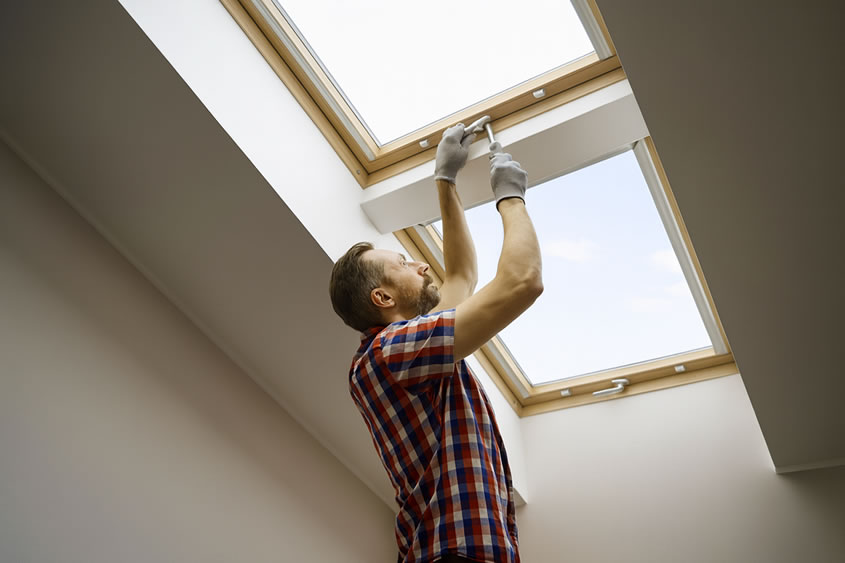
Roof Window Fitted at the Wrong Height
A roof window fitted too high may be difficult to operate and may not provide a useful view. A window fitted too low could create safety, furniture or internal finishing problems.
Moving a window is more involved than a straightforward replacement because it normally requires changes to the roof structure, roof covering and internal lining.
Unsuitable Window for the Roof Pitch
Roof windows and flashing systems are designed to operate within particular roof-pitch ranges. Installing a standard product on a roof that is too shallow may increase the risk of poor drainage or leaks.
A specialist can check the pitch and advise whether a low-pitch product, kerb, upstand or alternative rooflight system is needed.
Skylight and Rooflight Problems
Skylights and rooflights include a wide range of products, from small fixed units to large opening windows and roof lanterns. Flat roof units often develop different faults from pitched roof windows because rainwater drains away more slowly.
Leaking Flat Roof Skylights
Water can enter around the kerb, upstand, waterproof membrane, glazing seal or opening section. The surrounding felt roof, EPDM, GRP or liquid roof covering may also have failed.
Ponding Water Around a Rooflight
Standing water may collect where the flat roof does not have sufficient fall or where outlets are blocked. Continuous ponding can place pressure on joints and increase the risk of leaks.
Cracked Acrylic or Polycarbonate Domes
Older dome rooflights can become brittle, cracked, faded or damaged by impact. Replacement domes may be available, although older bases and kerbs should also be checked.
Yellowed or Cloudy Plastic Rooflights
Acrylic and polycarbonate can discolour after long-term exposure to sunlight. Replacement may greatly improve the amount and quality of natural light entering the room.
Failed Flat Roof Glazing Units
Double- or triple-glazed rooflight units can mist internally when the sealed unit fails. The contractor will need to establish whether the glazing can be changed separately from the frame.
Damaged Roof Lanterns
Roof lanterns may develop leaks around glazing bars, end caps, seals and perimeter joints. Frames can also move or twist if the supporting kerb is not level or strong enough.
Opening Skylights That No Longer Operate
Manual opening poles, winding mechanisms, electric actuators and chain motors may all wear or fail. Parts need to be matched to the weight and design of the skylight.
Smoke Ventilation Window Faults
Smoke ventilation roof windows form part of a safety system and may require specialist inspection, servicing and testing. These systems should not be treated as standard domestic opening windows.
Sun Tunnel Problems
Sun tunnels can suffer from condensation, damaged external domes, disconnected reflective tubes and poor seals around the roof opening. A specialist can inspect the complete system from the roof to the internal diffuser.
Roof Window Replacement Quotes
A complete replacement may be recommended when the existing window has extensive frame damage, repeated leaks, obsolete parts or failed glazing. Homeowners may also choose replacement to improve insulation, ventilation, appearance or ease of operation.
A replacement quotation may include:
- Removal of the existing roof window or skylight
- Supply of a new window in the correct size
- A suitable flashing or waterproofing kit
- Insulation around the new frame
- Connection to roofing underlay or membrane
- Reinstatement of tiles, slates or flat roof materials
- Internal plasterboard, timber lining or decoration
- Electrical work for powered models
- Scaffolding, access towers or lifting equipment
- Removal and disposal of the old window and waste
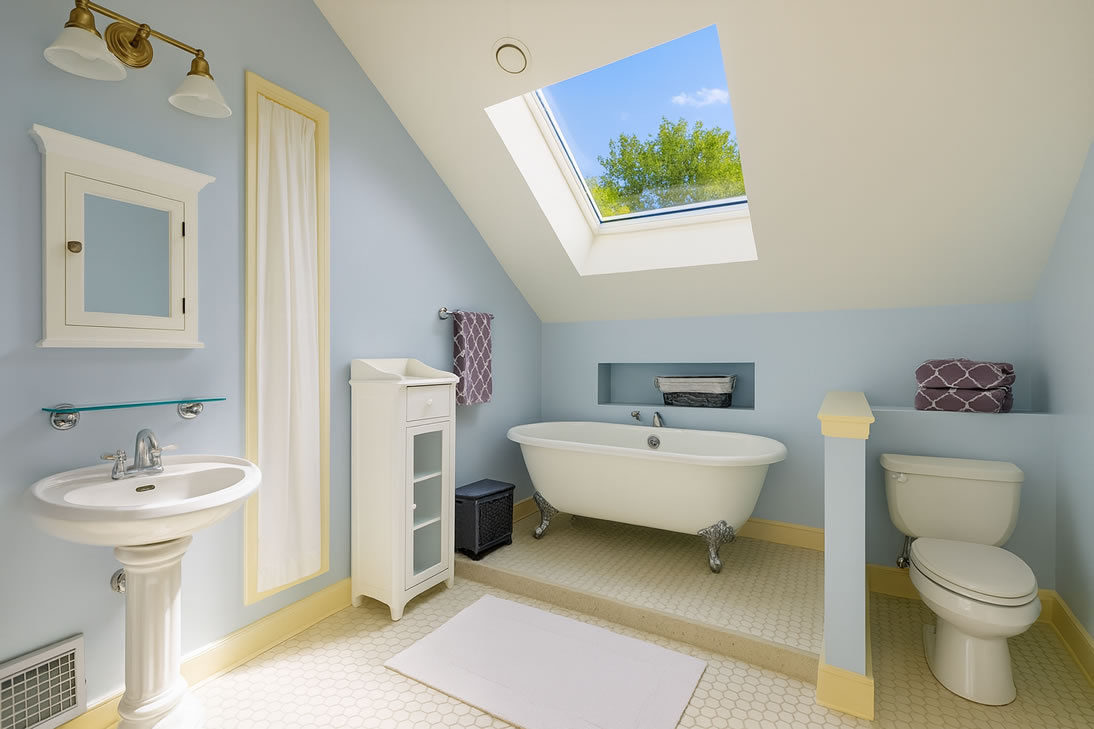
Some older windows can be replaced with a modern unit of a similar size. However, differences between generations, manufacturers and opening sizes may mean that the roof opening or internal lining needs alteration.
New Roof Window and Skylight Installation Quotes
You can also get roofing quotes for fitting a roof window where there is not currently an opening. New installations are commonly arranged for loft conversions, attic bedrooms, home offices, kitchens, bathrooms, extensions and converted garages.
The contractor will need to consider the roof structure, planning requirements, building regulations, window size, glazing, ventilation, access and internal finishing.
Single Roof Window Installation
A single centre-pivot or top-hung window can add natural light and ventilation to a loft room. The installation may require cutting tiles or slates, altering battens and forming a suitable opening between the rafters.
Multiple Roof Window Installation
Two or more windows can be installed side by side, above one another or in a larger combination. Correct spacing and combination flashing will be needed.
Top-Hung Roof Window Installation
Top-hung windows open outwards and can provide a clearer view than a centre-pivot design. The proposed installation height and access to the handle should be considered before ordering.
Centre-Pivot Roof Window Installation
Centre-pivot models are widely used in loft rooms and are available with different internal finishes, glazing options and control methods.
Electric and Solar Roof Window Installation
Powered windows are useful where the opening is difficult to reach. Electric models may require a suitable power supply, while solar models need the external panel to receive enough daylight.
Flat Roof Skylight Installation
A flat roof skylight normally requires a suitable opening, structural support and raised kerb or upstand. The roof covering must be dressed and sealed correctly around the base.
Walk-On Rooflight Installation
Walk-on rooflights require specialist structural glazing and support. They should be specified for their intended use and installed according to the manufacturer’s requirements.
Roof Lantern Installation
Roof lanterns are normally fitted above extensions and large flat roof areas. The supporting kerb must be level, correctly sized and capable of carrying the load.
Conservation Roof Window Installation
Conservation-style roof windows usually have a lower-profile appearance and traditional external detailing. They may be considered for listed buildings, conservation areas and older properties, although permission may be needed.
Balcony Roof Window Installation
Some roof window systems open to create a small glazed balcony arrangement. These installations involve more structural work than a standard window and require careful planning.
Emergency Escape Roof Window Installation
Where a roof window is intended to provide emergency escape, it must be positioned and sized appropriately. The contractor should consider current building requirements and safe access.
Roof Access Window Installation
Roof access windows are designed to allow maintenance access onto the roof. They may be installed in heated or unheated spaces depending on the product.
Sun Tunnel Installation
A sun tunnel can carry daylight from the roof into a hallway, bathroom or other area where a conventional window is not practical. The route between the roof and ceiling must be assessed before installation.
Common Roof Window Installation Challenges
Not every roof window installation is straightforward. Access, roof design and hidden structural conditions can all affect the method, cost and timescale.
Rafters in the Wrong Position
The proposed window may be wider than the space between the existing rafters. Structural trimming may then be needed to transfer the roof loads around the opening.
Trussed Rafter Roofs
Prefabricated roof trusses should not be cut without suitable structural design. Installing a window in this type of roof may require advice from a structural engineer or truss specialist.
Low Roof Pitch
Shallow roofs may need a low-pitch window, raised installation system or specially designed kerb. Standard flashing may not be suitable.
Very Steep Roofs
Steep roofs can create access and safety difficulties. Scaffolding or specialist roof access equipment may be required.
Slate Roofs
Natural and fibre-cement slates require careful cutting and suitable low-profile flashing. Older slates may be brittle and difficult to remove without breakage.
Plain Tile Roofs
Plain tiles are small and overlap in several layers. The flashing and side details need to suit the tile depth and pattern.
Deep-Profile Roof Tiles
Highly profiled concrete or clay tiles may require a flashing kit designed for thicker roofing materials.
Metal and Sheet Roofs
Profiled metal sheets, standing seam roofs and other sheet coverings require compatible flashing and weathering details.
Thatched Roofs
Roof windows in thatch require specialist detailing and a contractor with relevant experience. The window, kerb and surrounding thatch must be designed to shed water safely.
Older or Fragile Roof Coverings
Existing tiles or slates may break when lifted. The quotation should make clear whether replacement roof materials are included.
Asbestos-Containing Roof Materials
Some older roof sheets and building materials may contain asbestos. Suspected materials should not be cut or disturbed until they have been properly assessed.
Limited Loft Access
Small hatches, finished ceilings and restricted roof spaces can make it difficult to inspect or alter the structure from inside.
High Ceilings and Hard-to-Reach Openings
A window installed high above a stairwell or vaulted ceiling may require specialist internal access and powered operation.
Scaffolding Requirements
Some roof windows can be replaced mainly from inside, but safe external access may still be required. The need for scaffolding will depend on height, roof pitch and site conditions.
Restricted External Access
Narrow passages, conservatories, extensions and neighbouring buildings may make it difficult to position scaffolding or lifting equipment.
Solar Panels Near the Window
Solar panels can restrict access or occupy the best position for a new window. Panels may need to be temporarily removed or repositioned by a suitable installer.
Chimneys and Roof Valleys
A roof window should not normally be placed where water concentrates around a valley or where a chimney creates complicated weathering details.
Pipework, Wiring and Services
Electrical cables, pipes and ventilation ducts may run through the proposed opening. These services may need to be moved before the window is installed.
Bathroom and High-Humidity Rooms
Bathrooms may need moisture-resistant window finishes and suitable ventilation. Timber units can require more regular maintenance in humid spaces.
Listed Buildings and Conservation Areas
Restrictions may apply to the position, size and external appearance of new roof windows. Homeowners should check whether planning permission or listed building consent is required.
Building Regulations
New openings and structural alterations may need to comply with current building regulations. Matters can include structure, insulation, ventilation, safety glazing and emergency escape.
Fire Safety Requirements
Windows intended for escape or smoke ventilation need to meet the relevant requirements for their intended use.
Poor Existing Insulation
Installing a new window may reveal missing or compressed insulation around the roof. Improving the surrounding insulation can help reduce cold spots and condensation.
Internal Plaster and Decoration
A new or resized opening will normally need an internal lining. Plastering, timber trims, painting and decoration may not always be included in a basic fitting price.
Matching an Existing Window
Homeowners adding a second window may want it to match the size, finish and external appearance of an existing unit. Older models may no longer be available in exactly the same specification.
Replacing Discontinued Models
Replacement parts can become difficult to obtain for older windows. A specialist may recommend fitting a current model and adapting the opening or internal finish.
Incorrect Previous Alterations
Earlier owners or contractors may have altered the roof without suitable support or weatherproofing. These issues may need correcting before the new window can be fitted.
Popular Roof Window and Skylight Brands
Many manufacturers supply roof windows, skylights and rooflights in the UK. The correct repair method and availability of replacement parts will depend on the brand, model, age and production code.
You do not need to know the brand before submitting an enquiry. However, providing a photograph of the identification plate can help the contractor prepare for the job.
VELUX Roof Windows
VELUX is one of the most widely recognised roof window brands in the UK. Common model references found on existing windows include GGL and GGU centre-pivot windows, as well as GPL and GPU top-hung windows.
Other VELUX references that may appear on older or more specialised products include GHL, GZL, GTL, GXL, GXU, GLU and conservation, smoke ventilation, roof access and balcony window ranges.
VELUX windows may be timber, white-painted, polyurethane-coated, manually operated, electric or solar-powered. The model, size and production code are normally shown on the identification plate.
FAKRO Roof Windows
FAKRO produces timber and uPVC roof windows in centre-pivot, top-hung, high-pivot, electric and specialist designs.
Common model references include FTP, FTU and PTP centre-pivot windows. Top-hung and pivot ranges include FPP, FPU and PPP, while other products include FTT, FYP, FDY, FGH balcony windows, FSP smoke ventilation windows and FWR or FWL roof access windows.
Keylite Roof Windows
Keylite supplies centre-pivot, top-hung, fire escape, conservation, electric, solar and other roof window options.
Common Keylite references include CP for centre-pivot products, HT for top-hung windows and FE for fire escape models. Product codes can vary depending on the material, glazing and operating system.
Roto Roof Windows
Roto roof windows are fitted in many UK and European properties. Product families include Roto Designo and RotoQ.
Common references may include Designo R4, R6, R7 and R8, as well as powered RotoTronic models and specialist roof access or emergency exit windows.
Dakea Roof Windows
Dakea supplies roof windows for pitched roofs, including centre-pivot, conservation, electric and high-performance options. Contractors may need the full product reference to locate compatible flashing and spare parts.
RoofLITE and RoofLITE+
RoofLITE roof windows are found in many loft rooms and extensions. Repairs may involve handles, glazing, flashing or seals, although the availability of individual parts will depend on the model and age.
Sterlingbuild and Other Supplied Brands
Some roof windows are sold through specialist rooflight suppliers or builders’ merchants under different brands. The original manufacturer may still be shown on the product label.
Brett Martin Rooflights
Brett Martin supplies rooflight products including dome, flat glass and polycarbonate systems. These may be fitted to domestic extensions, garages and commercial-style flat roofs.
Whitesales Rooflights
Whitesales supplies flat rooflights, roof access products, smoke ventilation units and other daylight systems. Repairs may require specialist glazing, actuators, controls or waterproofing components.
Glazing Vision Rooflights
Glazing Vision produces rooflights, access rooflights and larger architectural glazing systems. These installations may require specialist servicing because of their size, weight and operating mechanisms.
Korniche Roof Lanterns
Korniche roof lanterns are commonly used on modern extensions. Potential work may involve glazing, seals, drainage, perimeter weathering and frame components.
Atlas Roof Lanterns
Atlas produces aluminium roof lantern and glazed roof systems. A contractor may need to inspect whether a leak comes from the lantern itself or the surrounding flat roof covering.
Other Roof Window and Skylight Brands
Specialists may also work with products made or supplied by Coxdome, Mardome, Sunsquare, Duplus, Wendland, Ultraframe, Eurocell, Lonsdale, Fakro, Dakea and other manufacturers.
Older properties may contain unbranded or discontinued rooflights. Where spare parts cannot be identified, the specialist may advise replacing the complete unit.
How to Find Your Roof Window Model Number
The identification plate is often located on the top edge of the opening sash, behind a ventilation flap or along the internal frame. You may need to rotate or partly open the window to see it.
The label may show:
- The manufacturer’s name
- The window type or model code
- The window size code
- The glazing or finish reference
- The production or serial number
- The date or production batch
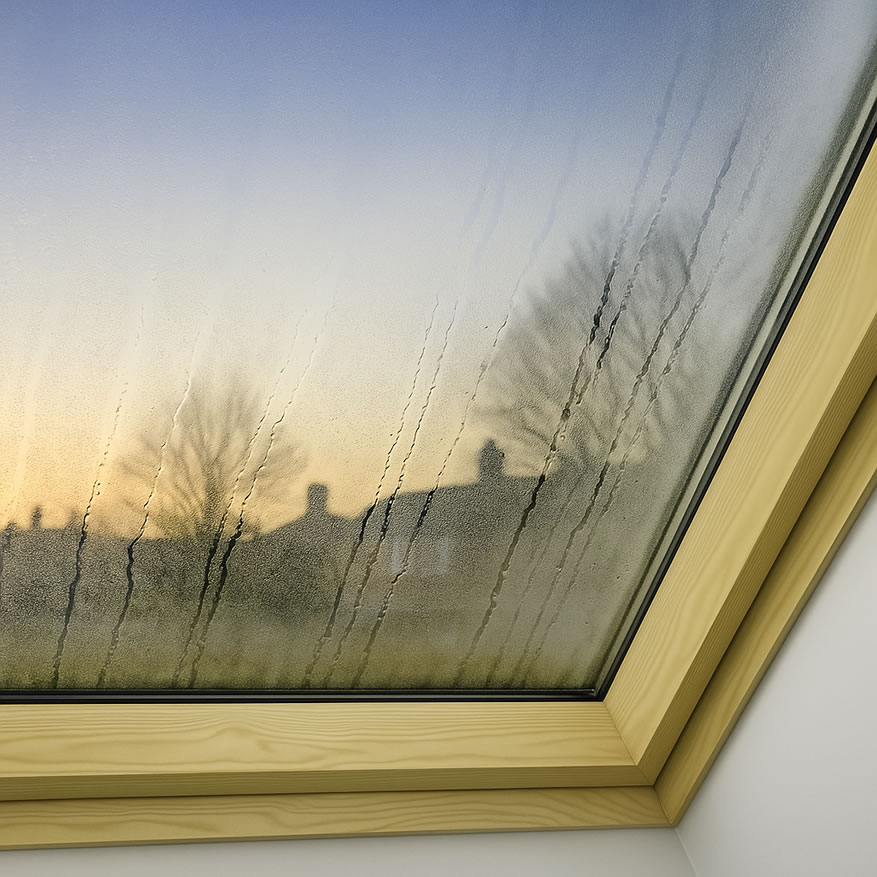
Do not lean out of the window or climb onto the roof to find a label. Only check areas that can be reached safely from inside the property.
A clear photograph of the complete window, handle, hinges and identification plate can help the contractor identify suitable parts.
What Can Affect the Price of Roof Window Work?
The cost of a roof window repair or installation depends on more than the price of the window itself. Factors that may affect the quotation include:
- The make, model and age of the existing window
- Whether replacement parts are still available
- The size and weight of the glazing unit
- The type of roof covering
- The roof pitch and height
- The number of windows involved
- The condition of the surrounding roof
- Whether structural alterations are required
- Whether scaffolding or lifting equipment is needed
- The condition of the internal plaster and lining
- Whether electrical work is required
- Whether the window is manual, electric or solar-powered
- Whether there is water damage to timber, insulation or ceilings
- Whether planning or building control involvement is needed
- Whether the old window and waste are being removed
A lower quotation may not include scaffolding, plastering or decoration. Ask each contractor to confirm exactly what has been allowed for.
Why Compare Roof Window Quotes?
Different contractors may take different approaches to the same problem. One specialist may believe that replacing a seal or flashing kit will provide a suitable repair, while another may recommend replacing the complete window.
Receiving more than one quote gives you a chance to compare the diagnosis, proposed materials, guarantees and overall value.
The cheapest quotation is not always the most suitable. Experience with the window brand, suitable insurance and a clear written description of the work are also important.
What to Check Before Appointing a Specialist
Before agreeing to the work, consider asking the contractor for:
- A written quotation
- Proof of current public liability insurance
- Examples or references from similar projects
- The proposed window or part reference
- Details of the flashing and installation products
- A clear explanation of access and scaffolding costs
- The expected start and completion dates
- Payment terms
- Details of workmanship and product guarantees
- Confirmation of who will remove waste
- Confirmation of whether internal finishing is included
For new installations or structural alterations, you should also check who is responsible for planning enquiries, building control and any structural calculations.
Is the Quote-Matching Service Free?
Yes. Roof-Window-Repairs.co.uk is free for homeowners, landlords, property buyers and property managers requesting roof window or skylight quotations.
There is no charge for completing the enquiry form and no subscription. Contractors may pay Leads Do Work Ltd to receive suitable customer enquiries, allowing us to provide the matching service without charging homeowners.
You do not have to accept a quote or appoint any contractor introduced through the service.
Independent Roof Window Contractors
The contractors introduced through Roof-Window-Repairs.co.uk operate as independent businesses. They are not employees, representatives or agents of Roof-Window-Repairs.co.uk or Leads Do Work Ltd.
Each contractor sets their own prices and remains responsible for their advice, quotation, materials and workmanship. Any agreement for work is made directly between the homeowner and the contractor appointed.
We aim to introduce homeowners to contractors who provide relevant business information, insurance details and references or previous customer feedback. However, homeowners should confirm that all information remains suitable and current before work begins.
Frequently Asked Questions
Is Roof-Window-Repairs.co.uk free to use?
Yes. You can submit an enquiry and compare quotations without paying a fee. There is no subscription and no obligation to proceed.
How many quotes can I receive?
Your enquiry may be shared with up to four independent specialists. The number of contractors available will depend on your postcode, the type of window and the work required.
Can I request a quote for any roof window brand?
Yes. You can submit an enquiry for most recognised and unbranded roof windows. However, the availability of spare parts and suitable contractors will depend on the brand, model and age.
Can a leaking roof window be repaired without replacing it?
Often it can. The fault may involve flashing, seals, drainage channels or nearby roofing materials rather than the window frame itself. An inspection is needed before deciding whether repair or replacement is more suitable.
Can misted roof window glass be replaced separately?
In many cases, the sealed glazing unit can be replaced without changing the complete frame. The contractor will need to identify the correct size and specification.
Can old VELUX windows be repaired?
Many older VELUX windows can be repaired if compatible parts remain available and the frame is in reasonable condition. The model, size and production code will help a specialist identify suitable components.
Can a different brand replace my existing roof window?
It may be possible, but dimensions and installation details can vary between manufacturers. Alterations to the opening, flashing or internal lining may be needed.
Do I need scaffolding?
Scaffolding requirements depend on the property height, roof pitch, access and type of work. Some repairs can be completed mainly from inside, while others require safe external access.
Will the contractor need to visit my property?
A visit is normally required for leaks, replacements and new installations. Photographs may help with the initial assessment, but they do not always show hidden damage or installation faults.
Can I get a quote for a new roof window?
Yes. You can request quotes for new pitched roof windows, flat roof skylights, sun tunnels, roof access windows, conservation windows and other daylight products.
Can roof windows be fitted into any roof?
Many roofs can accept a window, but the structure, pitch, covering and available space must be assessed first. Trussed roofs and unusual materials may require additional design work.
Do I need planning permission?
Some roof window installations can be completed without a full planning application, but restrictions may apply to listed buildings, conservation areas and windows that project significantly from the roof. Homeowners should check the requirements for their property.
Do roof window installations need building regulations approval?
Structural alterations and new windows may need to meet building regulations covering matters such as structure, insulation, ventilation and safety. The installer should explain what applies to the proposed work.
Can electric or solar roof windows be repaired?
Yes, depending on the product and availability of parts. Motors, batteries, switches, rain sensors and controls may be replaceable.
What information should I include in my enquiry?
Include the property postcode, type of roof, number of windows, visible symptoms and any known brand or model information. Photographs of the window and product label can also be helpful.
Are the specialists insured?
Contractors on the network may be asked to provide insurance information and references. You should still ask the contractor to show evidence of suitable and current public liability insurance before work begins.
Do I have to accept a quotation?
No. You remain free to compare the quotes and decide whether you wish to appoint any of the contractors.
Request Your Free Roof Window or Skylight Quotes
Whether you have a leaking roof window, misted glass, damaged flashing, a broken handle or an older unit that needs replacing, Roof-Window-Repairs.co.uk can help you start your search for a local specialist.
You can also request quotations for new roof windows, flat roof skylights, roof lanterns, sun tunnels, electric windows, solar-powered windows and other roof glazing projects.
Complete the online form with a few details about your property and the work required. We will try to connect you with up to four independent contractors who cover your area.
Compare the proposed work, prices, insurance and guarantees before making your choice. The service is free, and there is no obligation to proceed.
Manufacturer and Trade Mark Notice
Roof-Window-Repairs.co.uk and Leads Do Work Ltd are independent of the roof window, skylight and building product manufacturers mentioned on this page. References to manufacturers, product families and model numbers are included only to help homeowners describe or identify existing products.
VELUX and associated product names and logos are trade marks belonging to the VELUX Group. FAKRO and associated product names and logos are trade marks belonging to their respective owner. Keylite, Roto, Roto Designo, RotoQ, Dakea, RoofLITE, Brett Martin, Whitesales, Glazing Vision, Korniche, Atlas, Coxdome, Mardome and all other brand or product names mentioned on this page are trade marks, registered trade marks or trading names belonging to their respective owners.
The mention of a brand, manufacturer or model does not suggest sponsorship, approval, partnership or endorsement. Product ranges, model numbers and replacement-part availability can change. Homeowners and contractors should confirm current compatibility directly with the relevant manufacturer or authorised supplier before ordering or fitting any product.